The TV wall is usually the first thing people see in a living room, so it carries a lot of the design. It also hides wires, holds devices and often provides storage. Getting the practical details right matters as much as the look.
Start with how you watch
Think about the size of the TV and where the sofa will sit. As a rough guide, the centre of the screen should be near your eye level when you are seated, which is lower than most people expect. Fix this before the wiring is planned.
Wall-mounted or on a unit
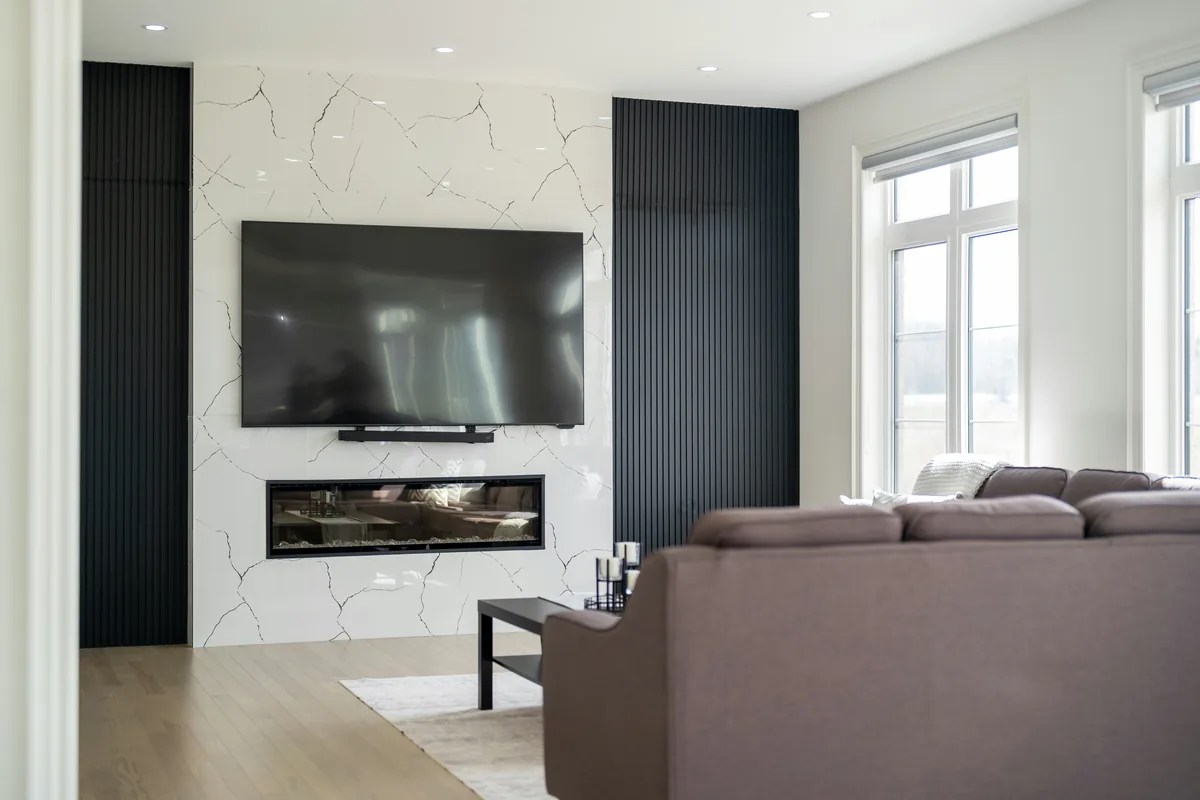
A wall-mounted TV looks clean and saves floor space. A low unit below it adds storage for the set-top box, speakers and other items. Many designs combine both: a panelled backdrop with the TV mounted on it and a floating unit beneath.
Hide the wiring properly
- Plan power, HDMI and network points behind the TV before the wall is finished.
- Use conduits so cables can be replaced later without opening the wall.
- Leave ventilation for set-top boxes and sound systems so they do not overheat.
Popular panelling options
- Fluted panels: vertical grooves add depth and texture, and can help soften sound.
- Louvers: slim vertical slats, sometimes with a backing colour or light behind them.
- Laminate or veneer: a wide range of wood tones and finishes at a practical price.
- Marble-look sheets or tiles: a premium look without the upkeep of natural stone.
Lighting makes the wall
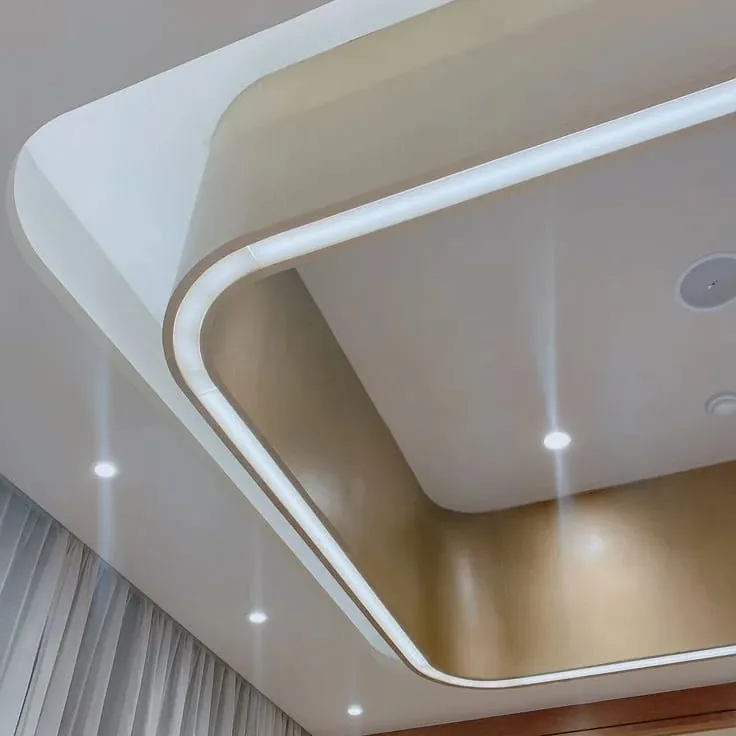
Warm LED strips behind or beside the panels, or a cove light above, give the wall depth in the evening. Plan the light positions and power supply before the panelling goes up so no wires are visible.
Choose materials that suit humidity
Panels fixed to external walls in Mumbai can swell or peel if moisture gets in. Use moisture-resistant boards, seal all cut edges and leave a small air gap where possible. Make sure the wall behind is dry and treated before fixing anything to it.
Keep it easy to live with
Deep grooves collect dust, so choose a style you are happy to wipe regularly. Closed storage hides clutter better than open shelves, and a few open niches keep the wall from looking heavy.
Decide early: panel layout, light positions and wiring all depend on each other. Settling them together before work starts avoids breaking the finished wall to add a point later.